Injuries. Don’t stop!

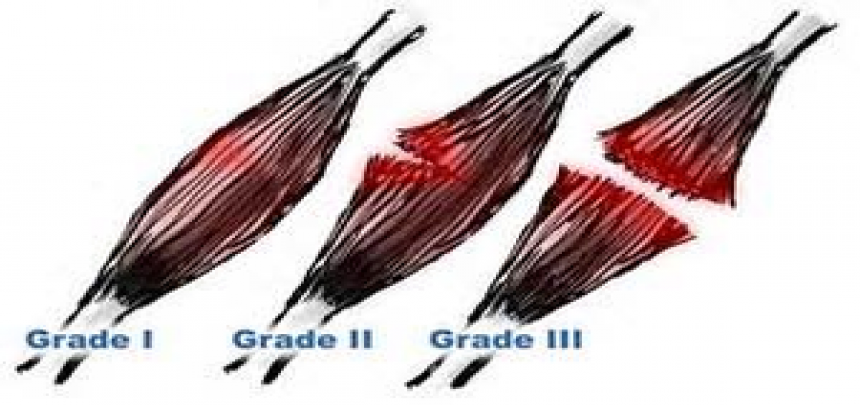
Nobody ever wants to experience a serious lifting injury, but many will anyway. The longer you stay in this game and the stronger you become, the greater the odds that at some point you’ll be faced with a serious injury. Due to my strength level and approach to training, I’ve suffered more muscle and tendon tears than just about any competitor I happen to know. Some of the injuries resulted in me being wheeled into an operating room for surgical repair and many others required extensive rehab. 

Most would say I’m lucky to still be fully functional, let alone still lifting very heavy. However, even with all of these injuries I continue to progress, and every year I’m bigger and stronger. This article is about how I managed to overcome these setbacks and how you can do the same, should the lifting demons strike you down with no mercy.

There are two major issues after a serious injury. The first is obviously the injury itself. The second and often more challenging is the psychological aspect of returning to training and competition after a serious injury.

A due disclaimer. I’m going to share with you what I’ve done and what’s worked well for me. I’m NOT advising you to go against your doctor’s advice.

The Physical Aspect Of a Bad Injury

For any soft tissue injury, the sooner you get up and moving (within reason of course) the better. If you’re fresh out of surgery and your injured extremity is in a cast or splint, obviously you need to wait until your doctor removes it.

Unfortunately, the majority of surgeons aren’t used to dealing with athletes. The typical patient is often an elderly or sedentary couch potato and usually in very poor health. While the histology of the cells doesn’t differ between an athlete and a sedentary person, the rehab process for a highly conditioned and highly motivated athlete is going to be markedly different. By a long shot.

The key is to carefully listen to your body. If your body tells you no, then listen. Failure to do so will simply result in re-injury and having to repeat the whole process. The very last thing you may desire.

NUMBER ONE – GET MOVING

The sooner you can begin moving the injured area the better. This will increase blood flow and begin to strengthen areas that have atrophied due to lack of use. The increased blood flow will also bring new nutrients into the injured area to assist with repair and carry waste products away.

In the early stage, your movement is going to be slow, controlled, and often through a limited range of motion. It’s important to progress slowly but steadily and once a full range of motion has been reestablished, resistance can (and should) be added incrementally.

When I tore my right quad I initially had a great deal of difficulty even walking; I couldn’t bend my leg more than a few degrees or support any weight. My first goal was to be able to bend my leg through a full range of motion. I didn’t enter any type of organized rehab program so I was tasked with figuring things out on my own.

What I came up with was positioning myself in the corner of two countertops. I’d face into the corner and support my body weight with my arms and then slowly lower myself as far as I could tolerate. Initially, I only moved a few inches, but every day I increased the range of motion until I reached the point where I could lower myself into a full squatting position.

Now I was ready to start adding resistance. At first, this was only my partial body weight; I’d assist myself with my arms by pushing or pulling on the countertops. I did this daily until I could do them without assistance.

Then I focused on increasing the number of reps I could do per set, progressing into multiple sets and reps until I felt it was time to get back under the bar. This initial process took me only a few weeks, but your results will vary based on the severity of the injury, individual pain tolerance, 

rehab experience, and motivation.

NUMBER TWO – ADD RESISTANCE

When adding resistance, the key is to do so in a slow, controlled, but progressive fashion while always listening to your body. To minimize the risk of re-injury, it’s crucial to recognize the signals your body is sending and know how to properly interpret them.

After training sessions, you need to be able to differentiate between the pain of normal muscular soreness from that of doing too much too soon and risking re-injury. A strong mind/body connection is a necessity here.

Resistance should be increased in small weekly increments until the point of being able to return to normal training is reached. For example, about a month after my quad tear in January of 2008, I was able to start squatting again with just an empty bar. This was followed by 135 lbs. for a few reps the next week, then 225 lbs. the week after, then 315 lbs. Etc.

After a few months, I was able to return to and then surpass my former training weights. The entire time I was listening very carefully to my body, and had it told me that I needed to back off or slow my progress, I would’ve done so. 

NUMBER THREE – Maintain A Healthy Lifestyle 

Maintaining a healthy lifestyle such as consuming nutritious food, staying hydrated, and taking proper rest along with adapting and modifying activities such as the use of sensitive devices can also play a vital role in the physical healing of injuries. It boosts the overall immunity of the body. 

You can achieve a healthy lifestyle without giving up on your bodybuilding journey by adding anabolic steroids to your bodybuilding cycle. When buying from a reliable store like UGFreak, these synthetic drugs enhance bone density and muscle strength by increasing muscle retention and oxygen transportation to all body parts or cells.

It results in a significant change in overall metabolic reaction, boost strength, and a noticeable increase in the immunity of the users which reduces the risk of muscle or bone and joint injuries during intense workouts, sports, and weightlifting. 

The Psychological Process Matters Just As Much

For some, this isn’t a challenge, but for many, this is where the real war is waged if they’re to return to and exceed their pre-injury strength and size. There have been many champions who’ve had their careers ended overnight due to injury. Here’s how to overcome the fear of injury and start breaking new ground as quickly as possible.

First, you must believe in your ability to recover fully. From the second you suffer the injury, you must see this as simply a bump in the road and a minor irritation, nothing more. Don’t give the injury any more significance than it’s due. This is simply another challenge to overcome on your way to achieving your goals.

RATIONALIZATION

If you have trouble seeing injuries this way, there are several strategies to help you achieve this mindset.

The first is rationalization. Invoke your inner Mr. Spock and look at injuries from a rational, logical point of view. Recognize that many athletes have overcome similar and often much more severe injuries than you and have returned to competition to exceed their pre-injury bests.

I know a powerlifter who crushed his thoracic vertebrae while squatting and another who needed metal rods inserted in his lumbar spine, and both came back to squat more than ever. Another powerlifter and strongman tore both of his patella tendons off and after being told by doctors that he’d be lucky to ever walk again, came back to squat over 1100 lbs. No shit.

Considering that, can you really look at whatever injury you may be facing and tell yourself that it’s not possible to come back better than ever?

VISUALIZATION

Returning to whatever it was that caused the injury can be daunting. I know more than one elite-level powerlifter that got injured under a big squat and was never able to mentally conquer the fear of that happening again. Every time they tried, all they could think about was the injury and how it felt when it happened.

This is where visualization can be of great use. When returning to what caused the injury, being able to change what you see in your mind is key. You need to practice visualization until the images in your mind are as real as what you see with your eyes. Then you can move onto recreating your injury scenario, this time envisioning yourself conquering the event without injury.

Granted, this sounds easier than it really is, but with enough practice and repetition it’s very achievable. This is my go-to technique when trying to break plateaus and it can be effectively used to change your view of past events and conquer your fears.

HAVE NO FEAR

Never let fear take control. Fear holds so many back from ever reaching their true potential and it can be a huge obstacle when dealing with injuries. You must train yourself to control your mind and realize that fear is self-created, and as such you have the power to destroy it as well.

Recognize that fear comes from within. That’s why many can experience the same scenario and each has a different reaction to it. Anything that we generate we can also control. For example, when I competed in my younger years I’d get very nervous and allow that nervousness to turn to fear. By the time it was time to compete, I was so scared I’d already lost.

Time after time I learned how to control this nervous energy and turn it into focused aggression. In time this nervous energy went from being my biggest enemy to my strongest ally. Remember, anything internally generated is at our command. You only need to learn how to give the orders.

What you should never forget

Despite suffering more than my share of injuries, I still don’t take them lightly, nor do I suggest you do either. At all! But I refuse to give them any power over me psychologically or get between my goals and me.

This is what to do when suffering an injury:

Get up and get moving as soon as possible.

Work on reestablishing a full range of motion.

Once ROM is back, progress to adding resistance.

Increase the weight on a weekly basis in small increments, all the while listening closely to your body.

Regarding the psychological aspect of injury rehabilitation:

Use visualization to help you overcome specific fears and learn to control your emotions.

Make those emotions bend to your will and learn to change fear into focused energy.

Realize that others have been through similar situations or worse and came back to be better than ever and there’s no reason you can’t do the same.

Soft tissue injuries are a pain (pardon the pun), but they don’t have to end your lifting career. Remember, injuries are just small bumps in the road on your way to achieving your goals.

Be tougher than Life and always bounce back.

Is stress robbing you of your gains?

When you aren’t gaining muscle or losing fat as fast as you should be, you know you need to look for holes in your training or your diet. Pretty obvious stuff, right?

But there’s something else that can dramatically – and I mean dramatically – affect your muscle-building and fat-burning progress: STRESS.

Take a guy who’s hitting it hard in the gym, getting his peri-workout feedings, and making good gains. Now toss in a soul-sucking girlfriend/wife, a dickwad of a boss, and a daily traffic jam. The same dude’s gains will most likely damn near screech to a halt. Here are a few strategies to beat stress before it can catabolize an ounce of your precious iron-earned lean body mass.

I guess you want to be leaner, right? How about getting more muscular? Well, I can help.

Here’s the thing: What you need most likely has nothing to do with set/rep schemes, or the fact that your glutes aren’t activated enough.

What you really need to do is… relax!

There’s probably no bigger cause of decreased muscle gain and fat loss than stress physiology. Whether somewhere in the HPA axis, or further up in the hippocampus, stress physiology can damage virtually everything: the immune system, endocrine system, neurological system, and gastrointestinal system.

Stress has been extensively shown to:

Suppress pituitary function (LH, TSH)

Decrease the conversion of T4 to T3

Increase liver burden (and thus metabolism of hormones)

Decrease binding of thyroid hormone to receptors

Decrease your body’s ability to use leptin

Decrease secretory IgA (your immune system’s first line of defense)

Influence inflammatory messengers (cytokines)

Walking around all day stressed out is wreaking havoc on your system. If you could de-stress a little bit, then it would be a whole lot easier to drop 10 pounds of lard or add 10 pounds of muscle.

Easier said than done? Actually, it’s not. Here are some surefire ways to help you reduce stress so you can more easily build muscle and drop body fat.

Drink Green Tea

Green tea is often touted for its potential weight loss and anticancer properties due to its powerful antioxidants. However, antioxidants aside, green tea is also a key component of your anti-stress toolbox.

Several studies show that drinking green tea is associated with lower depressive symptoms. Another larger study found that drinking five cups of green tea per day made men 20% less likely to suffer signs of psychological distress compared to people who drank 0-1 cups per day. 

What’s the secret sauce in green tea if it isn’t the antioxidants? Theanine.

Theanine is an amino acid found in relatively high concentrations in green tea (and also black and oolong teas). Theanine can readily cross the blood-brain barrier and has been shown to stimulate dopamine, serotonin, and GABA while decreasing norepinephrine levels. 

One researcher best described the effects of theanine as “toning down” the CNS. In addition to green tea’s effects on stress reduction, you’ll also find great benefits from taking a break, unplugging, and drinking decaffeinated tea several times per day. This compound makes you relaxed WITHOUT feeling sleepy or tired.

If drinking green tea several times a day in no way can fit your schedule, at least get some Theanine capsules.

Limit Alcohol and Caffeine 

The use of alcohol in drinks and caffeine in different forms is a norm but their excessive usage can badly damage your physical and mental health such as causing stress. 

Alcohol causes stress by multiple means. 

It can disturb neurotransmitters in the brain. This disturbance can lead to mood swings such as anxiety and depression. It results in an imbalance of crucial chemicals that regulate stress. 

Alcohol also causes dehydration through excessive urine production. It stimulates fatigue and irritability which greatly add to the stress. 

Many people think alcohol causes sleep while it disrupts sleep. Poor quality sleep adds to stress. 

Just like Alcohol, Caffeine also contributes to stress and mood swings in different ways that are listed below; 

It greatly stimulates the body’s fight or flight hormones, Adrenaline, and Cortisol which trigger restlessness or stress with increasing heartbeat rate. 

Overuse of Caffeine always causes anxiety, nervousness, and panic attacks, the alternative form of stress. 

Physical discomforts like stomach aches and gastrointestinal issues due to massive and prolonged caffeine consumption also cause stress. 

Therefore, limiting the use of both caffeine and alcohol, taking a nutritious diet, consuming more water, and using steroids like Anadrol to reduce Cortisol production is essential to avoid any stress. 

Sleep Better, if you can’t sleep more

IME it’s very rare to have a client that consistently sacks out for eight to ten hours a night. Lack of sleep and poor sleep quality greatly affect your health and your body’s ability to deal with stress. It’s a huge form of stress itself.

While eight hours is commonly touted as the recommended amount of sleep we should be getting, it may be the quality of your sleep that’s more important than the quantity. So, if you can’t always get eight hours make sure what you do get is very restful. 

It’s been shown that hard-training athletes (not unlike those who are doing extra cardio with their usual lifting) have sleep disturbances in part related to higher nighttime epinephrine (adrenaline) and norepinephrine concentrations.

As mentioned above, drinking green tea may help combat increased norepinephrine levels. So a cup of decaffeinated green tea (or at least a tablet of Theanine) before bed is recommended if you’re one of the sixty million Americans who have some sort of sleeping problem.

In addition to the aftereffects of poor sleep, getting quality deep sleep is also important for what happens hormonally during the course of the night. While engaged in periods of deep sleep, your body’s cortisol secretions are decreased while growth hormone levels rise, allowing your body to heal and recover.

A simple way to optimize sleep for muscle growth? Just get to bed a bit earlier. Turn off the TV, shut down your computer, make sure your room is completely dark, and try to string together fourteen nights of high-quality sleep to get your body back on track. A bit of Melatonin would also definitely help (3-5mg). It’s safe, non-addicting, and promotes deep restful sleep with zero drowsiness the morning after.

BREATH!

Did you know that slowing our breathing helps us calm down and that taking a few minutes to do breathing exercises can help relax our mind and bodies — making it easier for us to cope with stress and anxiety?  We also know that continued shallow breathing can actually do the opposite, keeping our bodies in a cycle of stress and affecting everything from our mental to physical health. When we are stressed, we tend to close down in a number of ways and, while this can feel protective, it often deprives us of needed emotional, cognitive, and physical resources. It can even make us more likely to get sick.

Here is a very simple breathing exercise you can do to relieve stress anywhere and anytime. Try using it daily, whether you are clearly feeling stressed or not. Breathing fully, whether you are stressed or not, is great for your body and mind. It is also easier to use breathing techniques whenever you feel impatient or frustrated or in moments when you feel uptight, overwhelmed, stressed, or anxious if you have practiced when you are not stressed.

Before you get started, keep these tips in mind:

Get comfortable. You can lie on your back in bed or on the floor with a pillow under your head and knees. Or you can sit in a chair with your shoulders, head, and neck supported against the back of the chair.

Breathe in through your nose. Let your belly fill with air.

Breathe out through your nose.

Place your hands on your belly.

Don’t force it. This can make you feel more stressed.

Wear comfortable clothes if possible.

The Box Breath Technique

This technique is named for the 4-sided approach in which each “side” or step is the same amount of time, as if you were visually creating a box with your breath.

Exhale all the air from your lungs while counting to four.

Hold for a count of four, keeping your lungs completely empty.

Inhale a deep, full breath for a count of four.

Keep your lungs full for a count of four.

Do this for at least four rounds and reduce the number of rounds if you start to feel light headed.

If you can’t reduce stress, Enhance your Ability to Adapt

Rhodiola rosea is from a class of herbs known as adaptogens due to their ability to help the human body “increase resistance to a variety of chemical, biological, and physical stressors.” 

In the case of rhodiola rosea, it helps you adapt to both stress and fatigue. Much of the initial research regarding rhodiola rosea was carried out in Russia, as it was readily used medicinally to fight fatigue starting in 1969. And in 2001 Denmark officially classified the SHR-5 extract from rhodiola rosea as an herbal medicinal product.

How exactly will rhodiola rosea help you? It can help you function better while under stressful conditions. This is different from any of the other strategies that we’ve looked at so far as it doesn’t directly help you fight stress. It helps you to be better when stressed. This can be just as important, because stress leads to a decrease in performance. Because you’re stressed you have a limited capacity for dealing with your poor performance. The end result is that you get more stressed. It’s a vicious cycle. Rhodiola rosea will help stop that hateful cycle.

readily used medicinally to fight fatigue starting in 1969. And in 2001 Denmark officially classified the SHR-5 extract from rhodiola rosea as an herbal medicinal product.

An added benefit to rhodiola rosea supplementation is that its effects can sometimes be seen within 30 minutes of taking the supplement – this is a very practical benefit as it can be used at a moment’s notice. 

If  you’re frustrated with your physique and are stumped by your lack of progress in spite of your best efforts, then you need to start focusing on de-stressing.

Take all of these strategies and put them into action for 2-3 weeks. You’ll be happy that you did, and maybe even shocked by the sudden improvements in performance and physique enhancement!

You eat like a dog

Eat all the food you want, but if your body can’t assimilate your protein, carbs, or fats, it doesn’t do you any good. When I have a client who can’t gain muscle, I don’t automatically increase his protein or change his training program. I watch him chew.

It’s insane how many guys will eat a huge steak and only take five or six bites before swallowing it. They eat like my dog. And they’ve completely screwed their chances of getting all the high-quality protein and fat from the steak.

Failure to fully digest your meals can lead to poor muscle growth, lack of energy, and even bouts of depression as it can also mess up your microbiota.

You may be eating all the nutrients your body needs, but if your body doesn’t have the capability to digest them, whether it’s a lack of HCL (hydrocholoric acid) production or other causes, you won’t get the benefits eating the nutrients in the first place.

So it’s not just what you eat. It’s how you eat, too. There are two phases to digestion: mechanical (chewing) and chemical (the actual breakdown of nutrients in your body). But let’s back up a minute. Digestion actually starts when you SEE  food.

Imagine you have an orange sitting in front of you. See how juicy it is? Smell the citrus. If you really think about it, you’ll automatically start salivating.

Why is that important?

Saliva contains an enzyme called amylase. When you mix the food with your saliva, you actually start breaking down the carbohydrates right there before it even gets to your stomach. Not only should you chew your food, you should also eat your protein shakes as well.

If you’re a typical meathead you’ll just slam the protein shake. But you gotta treat it like fine wine. Swish it around in your mouth. Intertwine it with your saliva and start breaking it down. So we’re chewing our food and our protein shakes (and getting weird stares from people). Now how do we know when we’ve chewed enough?

Think of this way: let’s say you put a block of ice in the sun. It takes a long time to melt, right? Now say you put a handful of ice chips in the sun. They’ll melt a lot faster.

Your body works the same way. If you chew enough times, say 15 to 20 times per bite, then what you’ll have is essentially liquid. It’s much easier for your stomach to break down. And here’s another tip: don’t drink water with your meals.

Yes, seriously.

It’s a sign you’re likely not chewing enough. You’re just drinking the water to help push the food down. Also, the water dilutes your stomach acid, which you need to break down the liquefied food that travels there.

Which brings us to the chemical phase of digestion. Once the food passes through the esophagus, it goes through the lower esophageal sphincter and into the stomach. There, the presence of food stretches the stomach and signals your body to release gastrin and HCL.

Now, here’s where things get a bit tricky. Gastrin is important for protein breakdown because it signals for pepsinogen to be released. But the pepsinogen can only convert to pepsin–the enzyme that breaks down protein into amino acids -IF THERE’S HCL.-

And most guys don’t have remotely enough. If you don’t have enough HCL to convert pepsinogen to pepsin, then it doesn’t matter if you eat 400 grams of protein a day, because you’re hardly going to digest it.

So if carbohydrate breakdown starts in the mouth with saliva, and protein assimilation starts in the stomach with HCL converting pepsinogen to pepsin, what about fats? Think of the gastrin, HCL, and food blending together like they’re in a cement mixer. This glop makes up a mixture called chyme.

Once the chyme gets to the bottom of the stomach it enters the duodenum before going into the small intestine. If the chyme is acidic enough (which it probably isn’t in most cases), a hormone called secretin gets released which tells the pancreas to release enzymes into the small intestine.

Now secretin also releases cholecystokinin (CCK), which triggers the gallbladder to release bile. And bile production helps you assimilate your fats. But the bile can’t be triggered if your stomach isn’t as acidic as it should be.

So if you go up the chain, from the small intestine to the stomach to the mouth, you see just how important HCL is for helping you absorb all your nutrients. (And, of course, you see how important chewing is). It’s hypothesizes that more than 80 percent of people have low stomach HCL.

  • These are some of signs that you may be deficient:
  • Looking and/or feeling bloated after a meal
  • Farting or belching after meals
  • Bad breath
  • Constipation
  • Undigested food particles in your stool
  • Difficulty putting on muscle mass

So what should you do?

If you have one or more of the symptoms above, start removing gluten and dairy from your diet for a couple of weeks to see if the symptoms lessen or go away, since both gluten and dairy can be inflammatory to the small intestine and blunt nutrient absorption.

Also, if you’re used to taking acid neutralizers like Tums, stop taking them immediately. People often pop them like candy, and they neutralize HCL production. But sometimes that’s not enough and you need to pull the trump card and actually supplement with HCL.

People like us who are on the bodybuilder diet aren’t the norm. We eat more calories and protein than most people, and our bodies are not really made to process that amount of food in the long term. So I believe if you’re a guy who’s eating a ton of protein, you need to take extra digestive support.

If you feel like you need to pull out the big guns, order a bottle of HCL (possibly one with pepsin in it) and try the following:

  • Take one capsule at the beginning of a meal.
  • Eat the food.
  • Assess how you feel after each meal.
  • Keep taking one capsule at the beginning of each meal for two days.
  • If you have burning in your throat or stomach it’s a signal that your body produces enough HCL and you don’t need to supplement with it. Unlikely.
  • But if you don’t feel a burning sensation, bump it up to two capsules before every meal for two days.

What exactly should you feel?

Well, nothing. …Sorry?

You probably won’t “feel” anything, but you’ll notice that your bloat goes down, you’ll have less gas and less constipation. What if you don’t have any of those effects after taking two capsules at the beginning of every meal for two days?

Bump it up to three and finally four capsules before each meal for two days. That’s the highest I recommend in this situation, though. If you experience ZERO effect from four capsules per meal, you’re not in a good spot son.

Key points: a burning sensation is bad and lets you know you either produce enough HCL already or that you just took too many capsules before your meal and that you should scale back.

So if you were taking one capsule before every meal and got a burning sensation, stop taking HCL altogether. And if you were taking three capsules and got a burning sensation, you’d simply scale back down to two capsules per meal.

How long should you take HCL?

Well, as long as it takes to get your stomach acid back to normal. It varies, but most people will be taking HCL for quite a while. It’s just something that has so much benefit that you’d be doing yourself a disservice to not take it.

While you may not need to get fancy with the HCL supplementation (though I’m pretty sure most of you could use it), becoming conscious of the way you chew, along with avoiding water at meals, can make a huge difference in your digestion, and therefore your muscle tissue-building abilities.

Now excuse us while we go chew our protein shakes and induce compassion in people watching us poor weirdos.

TheRoid

Back to Top
Product has been added to your cart
Compare (0)