Booze & Anabolism?

Drinking has two faces, kind of a yin and yang matter. In reasonable, low doses it has potential health benefits. At the opposite end of the spectrum, it makes you crash your (was it yours?) car into a tree at 70 mph and relieve yourself in the swimming pool of your neighbours wearing nothing but a smile.

But I guess the key question on your mind is how much you can get away with booze before NASA schedules its first robotic exploration of your belly.

Drinking = Fat?

Trust me, this is not the easiest question to answer.

Alcohol (more properly known as ethanol) is technically a macronutrient like carbs, protein, and fat, with seven calories per gram. On paper, where there are calories, there should be usable energy…and this is where sh*it gets tricky.

Alcohol is certainly not an essential nutrient; the body doesn’t need it for growth and survival (or anything else actually) and, unlike cars with internal combustion engines, you just can’t use ethanol for fuel. The human body perceives it as a toxin and fights to get rid of it once ingested. This is why it has a higher thermic effect than other macros (it takes more calories to process than carbs, fat, or even protein).

A pretty well-designed study found that men consuming an average of four beers per day took in about 15% more calories than a matched group of non-drinkers. The two groups had identical amounts of physical activity. So, logically, you’d think that the drinkers packed on some pounds.

Yet, they did not. Both groups had the same body-mass index, in spite of all those extra calories for the drinkers.

Then maybe alcohol has an incognito life as a fat-burning aid masquerading as an addictive vice. Meh, doubtfully. Nobody’s ever measured what would happen if you matched up two groups of drinkers and non-drinkers, consuming an equal number of total calories, and followed them over the long run.

Another study compared two weight-loss diets (1,500 calories per day, in other words my mid-afternoon snack). Subjects on the first diet got 10 percent of their total calories from wine – 150 calories, or just over a glass per day. The second group got 10 percent from grape juice. After three months, the wine group lost almost a kilogram (or 2.2 pounds) more total body weight, although the difference wasn’t statistically significant.

The main issue with said data is that not a single word had been spent about body composition. They lost one extra kilogram of…?

While alcohol stimulates more calorie expenditure, it also suppresses the oxidation of dietary fat (you burn more overall calories but less fat).

A recent line of research suggests that alcohol activates AMPk, a metabolism-regulating enzyme, that helps you lose fat by increasing insulin sensitivity. Mere speculation so far, don’t count on it.

Alcohol  Muscle Mass & Testosterone

Does alcohol melt away muscle mass? It definitely can, but you really have to drink lots. Most of the research on alcohol’s effect on muscle protein metabolism is on alcoholics who chronically consume more than 100 grams of ethanol – no less than eight medium beers – per day. Two-thirds of these drunks end up with “alcohol myopathy,” a condition characterised by muscle weakness and atrophy. The daily high alcohol intake impairs essential nutrient absorption and hastens myofibrillar degeneration, but casual drinkers aren’t likely to lose their beloved muscle mass.

Another study looked into the acute effect of alcohol intoxication on post-exercise hormonal response, using trained lifters as subjects. After their workout, half the subjects were given the equivalent of five drinks. The researchers then monitored all the subjects’ hormone levels for the next five hours. No differences were seen in Testosterone and other related hormones in either group. Cortisol was elevated in the ethanol group, but only for a short time frame.

Anecdotally, I know several bodybuilders who average two or three drinks a day and continue to get stronger and pack on muscle tissue. One of the most jacked and ripped guys I know used to drink half a bottle of red wine every night. (Compared to the rest of the stuff he’s on, he probably considers it very healthy).

Could they make even better gains without the bottle? They might, maybe, but moderate alcohol consumption, or the absence of alcohol, have very little effect on the many variables that determine size and strength.

Alcohol & Exercise Performance 

If it’s difficult to get approval for a study in which athletes get drunk after a workout, imagine how hard it would be to get a green light when lifters or runners get drunk BEFORE. Yet, believe it or not, it has been done!

Subjects were given the equivalent of about six drinks and then tested for strength and endurance. Actually, they were tested before, during, and 24 and 48 hours after ingesting the alcohol. Contrary to what the researchers expected, the alcohol had no observable effect on any of the strength tests. Additionally, there was no increase in creatine kinase, an indicator of muscle damage.

In a similar study, the equivalent of about five drinks prior to testing had no effect on isometric strength, muscle stiffness, muscle soreness, or creatine kinase activity compared to the study’s alcohol-free group. 

In endurance athletes, alcohol doesn’t seem to interfere with glycogen replenishment after depletion. One study gave endurance athletes the equivalent of 10 drinks following a depleting workout. There was a statistically insignificant lag in glycogen resynthesis at the eight-hour mark, and none after 24 hours.

It’s encouraging to know that if a runner is dumb enough to slam down 10 drinks after a race when he knows he has another in eight hours, his body will still store enough energy to compete. How forgiving mother nature can be.

Loading up energy through alcohol?

Dehydration is another big issue for athletes who like to get hammered the night before a game. Here’s what you need to know and keep in mind: The more concentrated the alcohol source, the greater its ability to dehydrate you.

For example, drinks containing 4% alcohol or more increase urine output. That includes just about anything stronger than light beer, FYI. Hard liquor has an especially potent diuretic effect. For example, an ounce of a 40% ethanol beverage contains 10 millilitres of ethanol and 15 millilitres of water. Yet study subjects ended up pissing out 100 millilitres, or four times as much as they poured in! This may actually be implemented a few hours before stepping on stage though. View it as a tastier Lasix.

Granted, binge drinking and performance generally don’t mix well, but once again, it’s endurance-type work that takes the biggest hit. Research on rugby players after a night of heavy drinking shows that aerobic performance suffers badly, while anaerobic performance isn’t affected that much. 

Did I mention Health Benefits?

Ok, we all know that serious alcohol abuse brings with it the risk of addiction, liver disease, heart failure, and a life rich in fucked-upedness (condone the neologism). Goes without saying, right? On the flip side (yes, there’s one), moderate alcohol consumption seems to have measurable health benefits.

Boost Immunity 

Moderate beer consumption (around 15-16 ounces a day) improves immune response according to two recent studies. Another one showed it improves concentrations of blood lipids. Drinking three glasses of beer a day reduced C-reactive protein (strongly linked to inflammation and heart disease) and fibrinogen (linked to blood clotting and thrombosis) by almost 40%.  This points to an anti-inflammatory mechanism that might partially explain the link between moderate drinking and a lower risk of heart disease. 

Improve Cardiovascular Health Other studies have shown the cardioprotective benefits of roughly one or two glasses of red wine per day. The nutrients in wine (such as resveratrol and proanthocyanidin) and the alcohol benefit your heart in different ways. These nutrients fight oxidative stress, while alcohol improves vasodilation (opening up your blood vessels) and blood flow. Other benefits include increased HDL and reduced platelet aggregation, better known as blood clotting. If you want to protect your heart, darker varieties of beer and wine tend to have higher polyphenol content.

Enhanced Bones Density 

Another benefit of moderate beer or alcohol consumption is the enhanced bone density that helps users perform intense workouts and recover from muscle injuries quickly. 

It contains dietary Silicon, an integral part of the bone material. It is compulsory for bone formation and enhances their density to avoid injuries, muscle fatigue, and other joint pain issues. 

Reduce The Risk of kidney stones

When mentioning the benefits of moderate beer consumption, it’s quite important to discuss its role in reducing the risk of kidney stones. Its diuretic effect results in more urine production. 

The stimulation of more urine production promotes the removal of excessive fluids and salts that can cause kidney stones. Therefore, it reduces the risk of kidney stones and improves the overall health of the kidney. 

Provide Nutrients

When consuming alcohol in a balanced amount, it provides the body with some essential nutrients. Some major nutrients present in the beer may include Vitamins, minerals, antioxidants, Potassium, Phosphorus, and folate. 

These nutrients not only greatly add to the overall health of the users but also lift their strength, improve their healing abilities, and enhance their life span.

On the other hand, there is NOT a whole lot of data on the potential health benefits of hard liquor. But with the little we have, the benefits appear similar for certain products. Cognac, for example, was shown in one study to increase plasma antioxidant levels.  Cognac and bourbon are both rich in ellagic acid, an antioxidant with powerful anti-cancer properties. I wouldn’t bank on vodka and whiskey tho.

What you should BEER in mind…

Then is beer your friend? Is wine healthy? Can you possibly live longer and better by drinking more bourbon?

Alcohol isn’t essential for good health, and there’s no reason to think it improves your performance in anything (besides the ability to say embarrassing stuff at the wrong time). On the other hand,  moderate drinking (up to two drinks a day) might help protect your heart without having a negative effect on your quest to look good naked (best if out of your neighbor’s pool).

In case you don’t already drink, there’s no reason to start. And if you drink a lot, you risk a lot. But if you’re a just-right drinker (you drink enough to enjoy the benefits without ever waking up with a hangover [or worse, with a stranger who’s equally drunk]) there’s really no reason to quit.

If you drink so much that it interferes with your training, you need to cut back. If the amount you drink never interferes with anything important in your daily life, let’s get together for a beer one of these days.


THE SEVEN POWER FOODS YOU’RE MISSING OUT ON

You keep on reading that nutrition is responsible for a good 50% of your results. Or is 75%? Hell, I’ve even heard 95%… Whatever. Let the couch warriors argue numbers, but this is certainly true: If you aren’t paying attention to the foods you eat, you’re severely hurting your chances of building a muscular, healthy pleasant body. Now let’s go a step beyond the obvious.

Answer this: what do fat people and skinny people have in common? What does the powerlifter have in common with the competitive bodybuilder? The 18 year old newbie and the 30-year veteran?

They ALL eat. Every day. Several times per day. And if they aren’t getting the results they’re looking for, then I’ll bet you my sad empty wallet that their diet is the root of the problem. And this is why I love to write nutrition articles: They apply to everybody and they can give your physique-building efforts that needed 100 shot of Nitrous!

So you happen to eat? Great, this article is for you then.

Some foods can have powerful, drug-like effects on human physiology, foods that not only make you healthier and potentially boost your lifespan, but also support your aesthetics and athletic goals. Foods able to make you look good and keep you looking good for years to come.

Let me introduce some of them.

1) AVOCADOS

A bad childhood experience made me think I hated avocados.

I sampled some guacamole and was disgustingly repulsed by the raw onions. (Still not a fan, for the records). This made me believe I didn’t like the main ingredient: avocado. Huge mistake.

This buttery fruit (right, it’s a fruit) is full of healthy monounsaturated fats, known to lower “bad” LDL cholesterol and triglycerides while raising “good” HDL cholesterol. That spells lower odds of heart disease. Monounsaturated fats have also been linked to reduced risk of cancer and diabetes. Avocados are also:

Rich in beta-sitosterol, which is protective of the prostate.

Chockfull of fiber and lutein, which is good for the eyes and the skin.

Proven to lower bad cholesterol by a significant amount in as little as one week in people with hypercholesterolemia. 

For our folkloristic column: this fruit’s name is derived from an Aztec word meaning testicle. Now you know in case it ever comes up on a quiz show. What would you be without me, huh?

Start tossing your plant testicles in with your breakfast eggs, use them in salads, or smear them on burgers instead of mayo ( or stirred WITH mayo, delightful ).

2) CABBAGE

Another adverse, traumatizing childhood experience. Once again, wrong first impression.

One day I toddled into my grandmother’s kitchen and got a noseful of boiling cabbage. As a result, I didn’t get near the shit again for almost 20 years.

My loss. It turns out that cabbage can taste great raw or in Asian dishes (as any bad smell is actually caused by overcooking it) and it’s a bona fide superfood. I’d venture to say it’s possibly the most overall important vegetable from the point of view of nutritional benefits and cancer-fighting ability.

Cabbage contains loads of disease-preventing phytochemicals like indoles and sulforaphane. It can help fight breast cancer, prostate cancer, and the ubiquitous environmental toxins. It’s loaded with fiber and has practically no calories, making it a perfect “volumized diet” food to help keep you full. Contains powerful antioxidants to help prevent heart disease. Has anti-inflammatory effects.

Another tasty way to eat more cabbage is to use it as a salad alternative. Sauerkraut is another very healthy option.

Also  look into kimchi, a Korean dish made of fermented cabbage and other veggies that’s been named one of the five healthiest foods in existence!

Kimchi contain lots of Chinese cabbage and you also get the health benefits of fermentation, making this a powerful natural probiotic comparable to Kefir. Look for it in the international section of major grocery store chains.

Last, kale, which is a type of cabbage, is sort of a “super-spinach.” Although most seems to think spinach is the top dog among leafy greens, kale actually beats it on the ORAC (oxygen radical absorbance capacity) scale. In fact, kale is the highest ranking veggie when it comes to ORAC values.

So tell your granny (or tranny, I’m not one to judge) to stop boiling the cabbage. 

3) VIRGIN COCONUT OIL

This oil, mostly composed of saturated fat, comes from pressed fresh coconuts meat. Yes, I said “saturated fat.” And no, there’s no need to go bananas and panic! This plant-based saturated fat isn’t exactly the same stuff found in fast food and chemical-laden red meats. In fact, it’s quite good for you since it’s a natural saturated fat consisting of medium-chain triglycerides (also known as MCTs).

Coconut oil got a bad reputation a few decades ago after some really crappy animal studies concluded it wasn’t healthy. The dingdongs in white lab coats used hydrogenated coconut oil that was purposefully altered to make it devoid of any essential fatty acids. Genius move, guys. Luckily, things have changed for coconut oil. The newest studies show it’s quite healthful.

Coconit oil supports immune system, improves insulin sensitivity, acts as a healthful antibiotic, promotes gut health and has substantial antioxidant power.

Also helps stimulate the metabolism by promoting thermogenesis.

One of the best things about coconut oil is that you can cook with it without ruining any of its healthful properties. You can use it for everything from stir-frys to eggs and pancakes. Tastes great too!

You’re on a bulk plan and think you have to eat junk food to take in enough calories? You don’t. Spoon some sweet coconut oil into your shakes for a healthful “weight gainer.”

You can easily find coconut oil pretty much anywhere nowadays. Just look for an unrefined, virgin, or organic product.

4) QUINOA

Quinoa is a high-protein content seed that provides all nine essential amino acids, which is pretty uncommon in the vegetable world. That’s probably why it was so valued among the Incas who called it “the mother of all grains” although it’s not actually a grain. 

Since quinoa is a seed, it’s safe to eat even for those with grain allergies. It has loads of fiber and a low glycemic index, so if you’re terrified of carbs, then quinoa can still be on your plate. For centuries people in South America have been eating Chenopodium quinoa seeds like other parts of the world eat wheat. 

These years quinoa is making a comeback. 

When cooking it, you can think of it as a replacement for oatmeal or rice.

A less known fact is that quinoa contains lots of ecdysteroids. If you’ve been in this game long enough, you know these “plant steroids” have been largely advertised as an AAS alternative. While we’re far from that, they still offer some extremely interesting benefits.

After extrapolating to humans the results of animal studies, in which ecdysteroids have positive effects on the skin, bone and muscle mass and break down fat, and going by the quantities of ecdysteroids found in quinoa analyses, the researchers suggest that people who eat quinoa regularly will be healthier as a result. 

5) Omega-3 fortified Eggs

A wise friend of mine says only dorks dump the yolks. Okay it’s actually me…

Thankfully, the eggs-are-evil days are almost over!

Where’d that damn myth come from anyway? Well, early studies on eggs didn’t differentiate between the types of cholesterol. So yes, eggs raised cholesterol and were deemed “bad” but it was the desiderable kind of cholesterol – HDL. 

Hey, what do you expect from a study done by the makers of breakfast cereal, the direct competition of eggs! Many subsequent studies concluded that eggs were “not associated with high serum cholesterol concentrations.”

Hello, Mr Kellogg.

I’ve never been concerned about the health impact of regular whole eggs, but I do prefer the omega-3 enriched variety. All you do is feed hens a vegetable diet with lots of flax seed, and they lay eggs with three times the omega-3 as regular ones. Now mind you, it’s not that much, and it won’t replace your nicely sized serving of salmon, but every little bit helps. Also it’s comforting to know that the layer of your eggs is being fed flax instead of “rendered cattle matter” like the diet of a regular factory hen. I don’t even wanna think about what that shit is.

Ω-3 eggs can be found at most grocery chains with no effort.

6) GREEK YOGURT

Think of Greek yogurt as a real man’s yogurt. Since it’s strained, Greek yogurt contains up to three times the protein as foo-foo regular yogurt, while at the same time containing fewer carbs and almost zero lactose. Its live and active probiotic culture content is also much higher than that of regular yogurt.

The straining process not only makes it creamy and rich, it also produces a yogurt that stands up better to heat, so you can cook with it as well as toss it into protein shakes or eat in plain. One of my favorite uses for it is to toss a couple tablespoons into low-fat ground meats like turkey or venison for added moisture.

Its good bacteria can colonize your gut and help immensely with digestion and nutrients assimilation, not to mention the positive effect on your immune function and general well being, from mood to sleep.

Its protein (casein) is also a marvellous anticatabolic.

Greek yogurt with a few drops of sweetener and some blueberries is an amazing pre-bed treat loaded with high quality essential amino acids.

Definitely a staple food for smart bodybuilders.

7) BEENS

I’m not going to lie. Once I used to consider legumes plain garbage simply because their protein biological value isn’t on par with sources like beef or fish.

I was wrong.

Beans are a great asset, containing soluble fiber, lots of B-vitamins, a good dose of amino acids, and a big whack of anthocyanins, known for their powerful antioxidant capacity. Anyone should throw a cup or two of legumes on his plate a couple days per week.

People who eat beans (this includes peas, lentils and chickpeas, not so much soy) regularly typically have lower rates of heart disease and certain types of cancer, including prostate cancer, something we dudes over 40 need to start thinking about sooner than later. They also lower low grade systemic inflammation, truly nasty stuff you should not overlook.

Are you now thinking beans are a pain to make because of all the pre-soaking and such? Relax, canned legumes are just fine. Even the American Institute for Cancer Research suggests you always keep canned beans in your pantry for quick additions to meals. Excellent habit indeed.

You may find some legumes troublesome to digest at first if you’re not used to their consumption. Build up your tolerance slowly, just start with frequent small servings, daily.

It is noteworthy that the USDA recently tripled its previous intake recommendations for beans. They now recommend three cups each week, which probably means that double that amount would be better given how behind the nutritional times these organizations always seem to be, to put it gently.

A longer life, a BETTER life, a sexier body. And all you’re required to do is chewing some good tasting foods.

Great deal if you ask me.

Restore your Insulin sensitivity now!

Possibly the hardest challenge a bodybuilder has to face: gaining muscle without gaining a lot of fat in the process.

Hmm well, losing body fat while retaining all that iron-earned muscle is no walk in the park either.

Both of those tasks can be frustrating, depressing even. The cool thing is that both goals can also be achieved if you learn to do one thing: manage your insulin sensitivity.

This means making your body more sensitive to the insulin it naturally releases when you eat (or that you inject). That way you can take advantage of the anabolic nature of insulin in muscle tissue and avoid the fat-gaining effects of producing (or injecting) too much insulin (being insulin resistant).

Most real nutrition experts believe that if you’re more insulin-sensitive during a mass program you’ll gain more muscle than fat. And if you’re dieting, the insulin-sensitive guy will lose more fat than muscle. Real world feedback confirms the theory.

In my best Young Frankenstein’s voice…IT – COULD – WORK!

A primary principle in any bodybuilder diet plan is nutrient timing. We basically eat different foods at different times of the day in order to optimize the effect of circadian and behavioral hormonal changes for maximum fat loss and muscle development.

The rationale behind nutrient timing has mostly to do with enhancing glucose control and insulin sensitivity so that the carbohydrates we eat are used to make us look more like a muscle-man and less like the average lardass couch potato.

You’ve likely heard over and over again the usual advice: Exercise to increase insulin sensitivity. Sure, great, but let’s assume you’re already doing that as expected.

The next piece of advice would be to eat more often. You’ve likely heard this one too: Eat six smaller meals per day instead of two or three big ones and you’ll improve insulin sensitivity. So time to go beyond that vanilla advice and look at some other avenues to improve glucose control and insulin sensitivity, including a novel concept regarding antioxidants timing. Let’s start just there.

1 – TIME YOUR ANTIOXIDANT SUPPLEMENTS CONSUMPTION

When I first got interested in bodybuilding I read stories about professional bodybuilders and their tackle boxes full of vitamins. Most would go through a pre/post-workout ritual of pill popping, including vitamins E and C + other antioxidants like NAC.

Looking at their physique it would be hard to question their methods, but what if said pre/post-workout E and C and NAC supplementation was actually hindering potential results and decreasing insulin sensitivity?

I guess you think it sounds ludicrous. Well, read further then.

It should now be common knowledge that one of the benefits of training is that it increases insulin sensitivity. We can take this ad a given. A couple years ago a group of German exercise physiologists examined how supplementing with vitamin C (1000mg) and vitamin E (400 IU) affected the post-workout boost in insulin sensitivity.

In this study, 40 young men exercised five days a week (50 minute sessions including circuit training) for four weeks. The addition of vitamin C and E supplementation in that group completely ABROGATED the beneficial insulin-sensitizing effects of exercise. YIKES.

It seems that the post-workout increase in reactive oxygen species (ROS), which is blunted by C and E supplementation, is a necessary phenomenon for increasing insulin sensitivity. The argument for the -TEMPORAL- benefit of ROS post-workout is strengthened by the fact that long term antioxidant supplementation has been shown to increase insulin sensitivity.

All nice and well, but what do you actually do with this info?

If you’re looking for an extra potential edge, then I’d avoid antioxidant supplements and high antioxidant foods around and directly after your workouts. This will allow for the natural post-exercise rise in ROS and improvement in insulin sensitivity, while supplementation far away from lifting actually enhances these effects too.

2 – SPRINKLE YOUR MEALS WITH CINNAMON POWDER

Besides flavouring your pumpkin pie, you probably never give cinnamon a second thought. However, the simple addition of cinnamon to your diet has been shown in several studies to delay gastric emptying, lower blood glucose levels following a meal, reduce fasting insulin, and maybe even make up for temporary insulin resistance due to lack of sleep. It’s powerful, no doubt about that.

In order to reap the glucose-disposing benefits of cinnamon you’ll need to use 3-6 grams (approx 2-3 teaspoons). Adding a couple teaspoons of cinnamon to your morning oatmeal is a no-brainer, so you have no excuse not to add this to your dietary arsenal. If for whatever reason you just can’t stand it, you have no excuse either since you can use cinnamon powder/extract capsules and they cost next to nothing.

3 – ADD ALPHA LIPOIC ACID (ALA) and ALCAR

ALA is a naturally occurring antioxidant found in some vegetables such as spinach, tomatoes and broccoli. However, the clinical trials done with ALA use 500-1000 times more than you get in your diet, so if you want to use ALA to boost your insulin sensitivity then you’re necessarily going to need to supplement.

In several studies with Type II diabetics (those who produce too much insulin but their cells are desensitized to it), the addition of ALA increases insulin sensitivity by a whopping 18-57%. While the ALA dosages in these studies vary, 600mg per day may be the maximum effective dosage. I’d prefer that you start with a lower dosage like 200-300mg per day (the amount recommended for antioxidant purposes) and move up from there.

I recommend pairing ALA with acetyl-L-carnitine (ALCAR).

Supplementation of Alpha-Lipoic Acid (ALA) alone increases oxidative consumption (indicative of metabolic activity) in a similar manner to L-Carnitine, which improves functional performance. ALA can also curb the pro-oxidative effects of L-Carnitine, demonstrating practical synergism.

Studies found that this form of carnitine improves insulin sensitivity and glucose disposal in healthy subjects, not just in diabetic individuals. A recent study also found that  acetyl-L-carnitine (ALC) increases glucose utilization using a different pathway, possibly restoring the glycogen synthase activity.

4 – DO NOT FORGET YOUR POST-WORKOUT SHAKE

Providing high quality protein and carbohydrates to your system around the training period is important, as you probably know.

As a matter of fact, the ability to replenish glycogen stores decreases by 50% if you wait two hours after training to load up with the right stuff. To give you an idea of how big the deal at hand is, the difference between taking a protein supplement immediately vs. waiting three hours is the difference between experiencing a 300% increase in protein synthesis and being stuck with only a 12% increase. Pretty mind-blowing.

Noteworthly, this practice boosts immensely protein synthesis and glycogen replenishment -WITHOUT- impairing the improved insulin sensitivity induced by exercise, as glucose uptake in this stage is a non-insulin-mediated effect, happening through increased substrate penetration due to contraction and improved perfusion to muscles. With muscular contractions (ie, physical activity, exercise), glucose uptake increases up to 50-fold (!!!) without the need for insulin.

So don’t skip the workout drinks, all gain no pain.

At the end of the day, optimizing/maximizing insulin sensitivity is all about getting the upper hand and giving yourself the edge over those poor SOB’s in your gym with no clue. Put these tips into action, improve your nutrient partitioning, and reap all the benefits. Now put that cookie down, NOW!

Cheat Meals: THE ULTIMATE GUIDE

Until a few years back, cheat days were all the rage. Initially, the idea of “stepping out” on your diet was met with skepticism, but as research emerged supporting the idea that taking a day off could actually speed the rate of fat loss, people increasingly jumped on board.

Cheating isn’t a new idea by any stretch, nor is it really going anywhere.

However, recently cheat meals/days have come under fire. A number of respected coaches have spoken out against cheat days, despite their apparent popularity.

It should go without saying that what’s popular isn’t always right, but to dismiss cheat days completely out of hand seems a bit rash.

This is especially true when some of the arguments against cheat days are basically founded in illogical reasoning and sensationalistic statements, which is what’s been going on.

The purpose of this article is to defend cheat days. We’ll explore the most common argument against cheat days, and ascertain whether it even holds water.

First, let’s cover the theory behind cheat meals/days and why they’ve been included in nutrition plans to begin with.

The theoretical benefits of cheat days are:

Enhanced thyroid hormone output. When in a caloric deficit, underfed individuals produce less T3 and T4–both important thyroid hormones that play roles in the regulation of metabolic rate. A cheat day or strategic overfeed is used in part to increase these hormones.

Increased 24-hour energy expenditure. A caloric surplus from a cheat day causes the body to upregulate basal metabolic rate (BMR). Some studies have shown an increase of around 10% above baseline, and it’s hypothesised that more is possible.

Increased serum leptin levels. The big one that most harp on. Leptin levels drop while in a caloric deficit (lasting as little as 72 hours), and a periodic bump in leptin coming from a cheat day has several benefits including increased energy expenditure and BMR, and overall augmented thermogenesis.

Those are the physiological and hormonal benefits of cheating. Of course, there’s the psychological benefit of being able to take a day off from your diet; eat whatever you like, and be comfortable in the knowledge that you’ll still get lean. It’s hard to quantify how much that helps, but the majority of folks who opt to use cheating protocols cite this as one of the most significant mental benefits.

Following strict diet plans is not a piece of cake. It demands courage, strength, and clear determination. Knowing that you have a specific day to eat all your favorite meals boosts your willpower and you strictly follow your diet plan during all other days of the week. 

Another significant benefit of cheat days is a decline in mental stress due to social enjoyment. It allows you to actively participate in shared meal activities and outing plans with your friends and family which ultimately improves your physical and mental health. 

The issue that arises in any discussion about cheat days is that from a purely scientific or research-based standpoint, the studies are conflicting and the conclusions that are most solid aren’t always applicable.

Essentially, the idea of using cheat days is to get leptin-depleted individuals to increase leptin levels, which will result in all the benefits listed above. That would be great, but the problem is that often those using cheat days simply aren’t leptin-depleted; at least, not insofar as their metabolic rate is slowing to a significant degree.

Now, two points to consider:

Any drop in metabolic rate is unacceptable. A 6% decrease can slow things down to a very remarkable degree. This is especially true at higher levels of development, and even more so when a contest or deadline is approaching.

Those who aren’t depleted in the technical sense are usually keeping calories too high on non-cheat days. This means that while they’re still getting some benefit from cheating, they’re not optimizing progress. This can be (and actually is) true of any diet, and so for the purposes of deciding whether cheating protocols work, it must be discarded as user error. Problems with the user are not the fault of the method.

Cheat Days DO WORK. They just work. Even if there is evidence to suggest that cheat days or periodic overfeeding doesn’t enhance the rate of fat loss, at this point there’s too much anecdotal evidence to say that they slow fat loss.

people, and while I’m not testing leptin levels, I know that cheat days DO NOT slow progress. And so, if they don’t hurt and probably help, what’s the problem?

The second problem. The illogical argument.  

There’s a growing trend to argue against cheat days based NOT on any physiological basis but rather a psychological one, comparing cheating to addiction.

I’m not even kidding. I wish I was.

The illogical argument is as follows:

“Telling a dieter to have a cheat day is like telling an alcoholic that it’s okay to binge drink one day per week.”

Actually, no it’s not.

That argument ONLY holds water if a few things are assumed as fact:

(Cheat) foods are addictive.

People who eat cheat foods are addicted to them.

Eating cheat foods one day per week perpetuates the addiction.

Now, it’s true that for some, food can be addictive, and as such it can be used and/or abused for comfort and the like. I’ve no real issue with the first assumption, in theory.

The problems start to arise when we get to the second assumption, that people who eat cheat foods are (all) addicted to them.

That’s simply ludicrous. The fact is, basing an argument on such an assumption is to commit a logical fallacy known as “affirming the consequent.”

The assumptive argument would be, that people who are addicted to junk food eat junk food; therefore anyone who eats junk food is addicted to it.

Pretty damn clearly, this isn’t accurate in any way.

To go back to the example of alcohol, the representation of this utter nonsense would be, that alcoholics drink alcohol; therefore everyone who drinks alcohol is an alcoholic.

You can see where this is going.

As the saying goes, not all rectangles are squares. Not everyone who drinks is an alcoholic, and enjoying pizza once per week doesn’t mean you’re addicted to pizza or have fantasies of copulating on the counter at Tony’s Pizza.

The third assumption is that eating cheat foods perpetuates the addiction to cheat foods. This requires the second assumption to be true–that is, in order for it to even be considered, you’d have to accept that everyone who eats a little non-diet food is addicted to those foods.

Since it’s quite clear that the second assumption is blatantly false, and the third relies on the second to be relevant, the third can’t be true, either.

So, of the three assumptions that would NEED to be true in order for the original argument to work, two are logically invalid.

You don’t need to be Albert Einstein to raise an eyebrow at that.

To be fair, there are folks who do battle serious issues with food. For these individuals, cheat days aren’t a wise idea. However, as with any dietary protocol, there will always be certain populations that would be better served following a different approach. We can’t allow dietary practices that are of value to many to be dismissed outright.

Another argument that’s been used (once again, comparing food to alcohol) is, “Even for non-alcoholics, is it a good idea to encourage excessive recreational drinking one day per week?”

Um, yes–that day is called Saturday, and it’s the day when epic things occur and embarrassing pictures are taken

Just kidding ?

Seriously, again this argument implies a strong assumption. It assumes that proponents of cheat days suggest excessive consumption of “bad” foods as the sole or even primary source of nutrition.

That simply is false.

First, there’s no rule in any cheating protocol that states a person has to eat unhealthy foods on a cheat day. As long as the dieter gets adequate carbs, fat, and calories, it doesn’t matter if it’s from oatmeal and egg whites or oatmeal cookies and Egg McMuffins.

People can (and should) eat whatever they want. Most of them want to have some junk food, and that’s fine. No one has ever published a diet involving a cheating protocol that suggests or requires that ALL calories be obtained from a drive-thru window.

The cheat day is about freedom and choice, about removing the dietary mental shackles and enjoying yourself. Food choices and amounts are intensely personal, and people choose what’s best for them.

The point is that no coach recommends only bad foods for an entire day, and so the abundance argument is also irrelevant.

So how and when to cheat?

So I’ve convinced you. You’re going to start cheating on your diet again. You have scheduled an evening of dietary debauchery with your wingmen Luke and Derek.

Hold up, soldier. You may qualify for a day’s leave but the battle rages on. Here’s how to use cheat days and still come away victorious.

If you’re on a diet that doesn’t specifically call for a cheat day or cheat meal, and you wish to add one in, assess progress first. If your progress has slowed for two weeks or more, a cheat day may help.

The first thing to consider is your overall level of caloric deficit. If you’re not in a substantial deficit, you don’t need to cheat that often. The more you restrict calories, the faster leptin levels will drop and the more you’ll benefit from a cheat day. Frequent cheat days generally only have merit for very restrictive diets. If your diet doesn’t force you to eat at a deficit of AT LEAST 500 calories per day or more, you don’t need to cheat more than once or twice a month, and often a single cheat meal will suffice. A deficit of 750 calories per day or more generally allows you to cheat once per week, depending on your level of leanness achieved.

The second most important thing to consider before going for a cheat day is to determine your dieting goals. You can achieve this task by carefully considering your health or fitness objectives and the impact of cheat days on them. Professional healthcare and fitness trainers always advise cheat days, if they align with your fitness goals or objectives. 

The leaner you are, the more often you can cheat. Simple. Generally, if you’re 10% B.F. or below, you can cheat once every 5-7 days. If you’re 10-12%, every 7-9 days. If you’re over 12%, you can cheat once every two weeks.

Those above a certain fat threshold – say 16% body fat or anyone with more than 40 pounds to lose – probably don’t need to cheat from a physiological standpoint. These people are better off with moderate cheat meals, not cheat days, which should be used once every two weeks until progress slows. After that, a progression to one cheat meal per week is used.

If you’re naturally prone to fat gain, don’t cheat at all unless you’re pretty lean (12%). Even then, start small. Use cheat meals, assess progress, and graduate to cheat days in due time.

Along similar lines, ectomorphic guys can schedule one cheat meal during mass-gaining phases a day to help them put on more weight. For these guys, I don’t recommend cheat days but a single cheat meal every 3-5 days to get in some extra calories.

The basic “limit” guideline for ANY cheat (either meal OR day) is to not push past the point of satiety. Eat whatever you want, but don’t intentionally stuff yourself. Stop eating when you’re nice and full, not uncomfortable. This is extremely important. This is not a Satanic Mass.

To make any cheat day more effective, you may consider having a fast day to follow the cheat. This will create a huge caloric deficit following the caloric overload. In essence, you get the hormonal benefit of cheating (enhanced metabolic hormonal output) as well as the hormonal benefits of fasting (increased Growth Hormone production, autophagy, insulin resensitization). By pairing a “feast” with a fast, you get the best of both worlds.

The fitness and nutrition industry is in part dependent on the debate of various topics, hotly debated ones get attention and that’s good for everyone. While it’s certainly acceptable to enjoy a debate and I don’t mind defending the ideas of what I endorse, I take issue with the way those ideas are attacked.

Whether someone agrees with and recommends cheat days for their clients or readers should be based on their assessments of either the science or the practicality. It seems, in this case, the arguments are based on emotivity rather than logic, and that does everyone a disservice.

Hopefully, this article has shed some light on the issue and help you to decide LOGICALLY whether you’d like to include cheat days in your diet or not.

Act with criterion.

Gluten. Little dirty bastard.

Is gluten the evil incarnate as some experts say? Or is it nothing to worry about unless you have celiac disease? Let’s cut through the crap and find the real story. 

MUSCLE VS. BLOAT

Your goal is solid, serious size. You want to look like a beast, so you train accordingly and eat everything in sight.

Yet you’re not really getting bigger, you’re just getting bloated. And when you leave the bathroom at the gym, the janitor has to call in the Ghostbusters team.

What’s going on here?

Chances are, your GI tract is screwed up, and you need to get it fixed. What’s the point of chowing down on the foods you need if you aren’t absorbing the calories? There isn’t one. But there is something you can do about it.

When a client comes to me with GI issues, the first thing I look for is a gluten intolerance. An estimated 3 million Americans have celiac disease – an allergy to the protein gluten – and up to 97% of those people are undiagnosed!

But that’s just celiac disease. These stats don’t include those with wheat allergies or gluten intolerance.

Could that be you? Let’s find out.

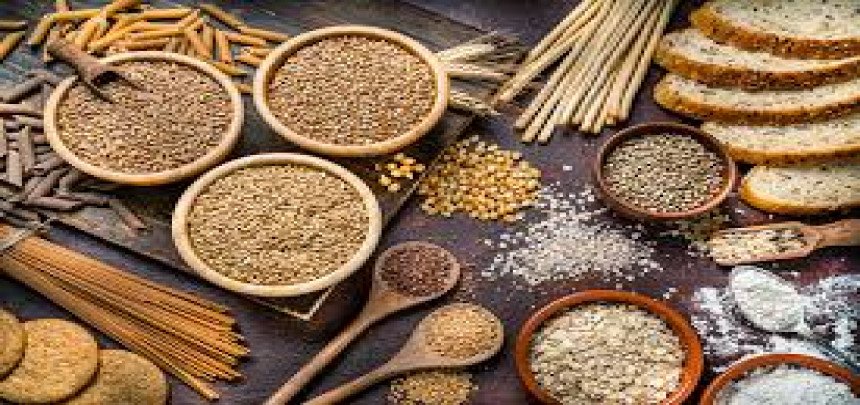
Gluten is a protein found in wheat. It’s a binding agent, which means it makes ingredients stick together. If flour didn’t contain gluten, breads would turn out like pancakes. In slightly different forms (that produce the same effects) it’s also found in grains like

barley

rye

spelt

kamut

couscous

WHAT ABOUT OATMEAL?

Oats don’t contain gluten, but they do contain avenin, which is kind of similar.

Some studies show that people with celiac disease can eat oats without problems, but I know some who have an even lower tolerance for avenin than gluten.

The impact of oats varies dramatically between individuals. Try a bowl of oatmeal tomorrow morning to see if you remain free of gastrointestinal consequences. If you notice the bloat, it could be the avenin.

WHEN YOUR BODY HATES GLUTEN

There are 300 different symptoms of celiac disease. Here’s a list of the most common symptoms:

Recurring abdominal bloating and pain

Chronic diarrhea or constipation

Liver disorders

Pale, foul-smelling stool

Iron-deficiency anemia that doesn’t respond to iron therapy

Fatigue

Pain in the joints

Tingling numbness in the legs

Pale sores inside the mouth

A skin rash called dermatitis herpetiformis (DH)

Osteopenia (mild) or osteoporosis (more serious bone density

problem)

Peripheral neuropathy

Psychiatric disorders such as anxiety, depression

Abdominal discomfort and foul-smelling stool are the most obvious symptoms. Keep in mind, 65% of people with celiac disease don’t have chronic diarrhea.

DISEASE VS. INTOLERANCE

For decades, scientists thought you were either allergic to gluten or you weren’t. If you were allergic to gluten, you were given the diagnosis of celiac disease. But now we know that celiac disease isn’t the only issue. You could be gluten intolerant.

The main difference between gluten intolerance and celiac disease is that with gluten intolerance your body’s immune system doesn’t nuke your intestines. Instead, your body just can’t digest gluten (so you still end up with bloating and other issues). But in the long term, serious harm can still happen (leaky gut, whole body inflammation, impaired immune system). Either way, you should be opting for a gluten-free diet.

The gold standard diagnosis for celiac disease requires a biopsy. Antibody and genetic testing are the first step. For many, a positive antibody test is enough confirmation to cut the gluten.

In the past I’ve had clients use a lab test which examines your DNA to see if you carry celiac disease or gluten-sensitivity genes. Just because you have the genes, it doesn’t mean that they’re active; it does mean that you should consider yourself warned.

Lab tests will cast a broader diagnostic net so you’ll be less likely to hear you don’t have an issue with gluten when you actually do. Aside from just feeling better, proper identification of a gluten issue is important.

WHY YOU SHOULD CARE

Aside from digestive discomfort, having an immune system that constantly attacks your intestines has serious repercussions. Those with celiac disease are at increased risk of arthritis and potentially colon cancer.

It can definitely also put the brakes on muscle building.

Let’s take a quick look at GI physiology. Your GI tract is designed to absorb every vitamin, mineral, and nutrient you eat. Humans haven’t always had the luxury of eating every two to three hours, so this was an important anatomical feature. There are folds upon folds containing cells that can absorb what you eat.

If you have celiac disease, your immune system has carpet-bombed your GI tract: no folds, no more cells upon cells waiting to suck up every nutrient you eat. It’s a wreck.

Now, how much more food would you need to eat if you were absorbing less than 80% of the nutrients in your diet? And that’s just the complications you’ll find in the GI tract.

As a reader of this blog, you probably already know that in order to maximize hypertrophy, you need to optimize other areas of your body through diet, rest, stress management, and other regeneration practices.

So imagine how the rest of your body will respond to the inflammatory and oxidative balance of your screwed up GI system.

In addition to the unrest in your GI tract, gluten allergies also impact your heart, skin, central nervous system, reproductive system, and bones. This is why people with celiac disease commonly suffer from other inflammatory diseases (i.e. arthritis). Your body’s revolt against gluten has serious oxidative and inflammatory consequences that extend far beyond digestion. And yes. Can shorten your life besides making it worse.

WHAT YOU CAN DO

Get tested to see if you have an issue with gluten via antibody or genetic testing. You might not have celiac disease since only 1 in 133 people in America have it, but you could easily be gluten intolerant.

Some of us can eat gluten with no obvious problem, but if you’re battling the bloat, I don’t recommend taking it on faith that you’re one of those people.

At the very least, test how you feel with and without gluten. If you’re completely symptom-free with it in your diet, then getting biopsied is a waste of time (and you’d never be able to convince your doc to do it). But if you’re noticing mysterious stomach issues, test a gluten-free diet.

First, cut out gluten-containing foods for one or two weeks and see how you feel. Keep a written log each day. After two weeks, add gluten back to your diet for another one or two weeks, again keeping a written log each day of how you feel.

This second two-week log is probably the most important. I’ve found that when people restrict gluten and then add it back, the rebound effect of gluten can be worse. So when you add gluten back to your diet you might get an exaggerated response, which would tip you off that you have an issue with gluten.

If you do feel better cutting out gluten and then feel worse when you add it back, you’ve got a couple choices.

Limit the amount of gluten you eat. Aside from just feeling better, when people cut out gluten from their diets, their health gets better overnight. Coincidentally, most of the garbage (pizza, cookies, etc.) and processed carbohydrates people eat contain gluten.

Get the testing that I described earlier. Prove to yourself (or your family) that you have a gluten issue.

TIME TO GO GLUTEN-FREE?

Play around with a gluten-free diet. When you cut down on the gluten you’ll have no other choice but to fill up on more fruits, vegetables, and proteins, since those are all gluten-free foods! Or bite the bullet, get tested, and invest a little money in your wellbeing.

Just do something, for f*ck’s sake!

TheRoid

How to curb your appetite and cravings

Serious dieting: you either manage your appetite or you stay fat. Period. You can have the best intentions in the world, but if you constantly feel like gnawing off your hand, you’re not going to get far. Then let’s take a look at the most effective ways to help you deal with hunger so you can focus on more important things (like lifting, pinning and chicks).

Macronutrients Manipulation

The first and foremost way to modulate your appetite is with proper diet setup. But mind you, I’m not just talking about calories here. Goes without saying, to lose fat you’re going to have to spend some time in a hypocaloric state. That’s a no-brainer. What I’m referring to here though is the macronutrient breakdown of your diet: the protein, carbs, and fat. Depending on how you manipulate these, you can have a diet that keeps you full and satiated, or a diet that has you constantly watching the clock to see when your next meal is, and that screams failure.

Carbohydrates

Friend and foe. Carbs are both anabolic and anti-catabolic, but also secrete insulin which interferes with lipolysis (fat burning). There are lots of ways to manipulate carbohydrate levels in a diet. Your options range from carb cycling to zero carb; you’ve even got keto approaches with periodic carb-ups or re-feeds. They all work to a degree. The key lies in managing the carbs properly. Constantly fluctuating insulin levels will cause blood sugar rollercoasters. This can result in massive hunger episodes, so keeping carbohydrate levels relatively low most of the time makes the most sense from an appetite suppression standpoint. When low carb is not a viable option, consuming carbohydrates with a high fiber content (apples, oats, raspberries, brown rice, sprouted grain bread, beans, broccoli, etc.) will help slow the digestion of carbohydrate and keep you full for longer.

Protein

Of course you need to keep protein high if muscle and strength are your goals , but protein also helps modulate hunger by keeping you satiated for longer. And it’s actually the most filling of the macronutrients, more so than either fat or carbohydrate. Protein also requires more energy to digest as compared to fat and carbs, so it packs a one-two punch for fat loss. The thermic effect of food (TEF) is the amount of energy it takes for your body to digest, absorb, and metabolise the food you eat. TEF makes up a part of your daily calorie expenditure (calories out), and usually represents about 10% of the caloric intake of healthy adults eating a mixed and balanced diet.

Protein should make up at least 40% of your total daily calories.

Fats

Awwww lovely fat. For years, fat was a vilified substance that was kept to a bare minimum in the diet of the physique competitor looking to get lean. Today, dietary fat (at least certain types) is glorified for its health benefits and ability to help us lose body fat rather than gain it. When it comes to appetite suppression, dietary fat does an excellent job of slowing digestion and keeping you full. One of the reasons a ketogenic diet works is because it’s so easy to follow since hunger is kept to a minimum. Without carbs trickling in, you don’t have the blood sugar fluctuations that send your appetite into a rabid frenzy. Any type of fat will help suppress appetite, but from a health standpoint it would be wisest to focus on monounsaturated like olive and macadamia nut oil, omega-3s, and GLA/lauric acid/oleic acid. Saturated fat from sources like grass-fed beef and whole eggs are also good choices. Don’t go nuts (pun intended) with fat though. It contains 9 calories per gram (more than twice that of carbohydrate and protein) and calories still make a difference. Getting 30% of your daily calories from fat is a good starting point. Bonus: Fats also help give your muscles a full look when carbs are low. Intramuscular triglycerides storage, gents. To recap: Focus on protein and fat first in your diet to keep appetite at bay. Protein should constitute at least 40% of your daily calories, and fat at least 30%. Carbohydrates should be used more judiciously as they can spark hunger and interfere with fat burning. Just enough to keep you sane and properly functioning.

Possible Useful Adjuncts

Now that we’ve got the diet squared away, let’s discuss some supplements that can give you an extra edge when battling hunger.

Chocamine

Imagine the health benefits of chocolate, without the sugar, extra calories, or dairy. I discovered Chocamine over 15 years years ago and have been using it pretty much daily ever since. Chocamine is the “feel good” component of chocolate, but without all the calories. It’s more or less a highly processed cocoa extract, but it’s different from the type of cocoa extract you’d get at a typical grocery store. Chocamine contains numerous chemical constituents that aid in fat burning, appetite suppression, increased alertness, and reduced fatigue. In my experience, Chocamine provides a smooth, long-lasting buzz, similar to a very mild amphetamine but without any harsh side effects.

I like mixing it in with my coffee:

  • 1 cup coffee
  • One-fourth to one-half teaspoon Chocamine
  • 1 packet Splenda
  • Pinch of salt
  • Dash of cinnamon
  • Kicks you in the nads (in a good way) and tastes great too.

Green Tea Extract

Aside from its antiaging and anti-carcinogen benefits, green tea has a host of diet-friendly effects: fat-burning (via beta oxidation), increased metabolism, improved insulin sensitivity, glucose tolerance and much more.

Green tea is also in a class of natural substances known as adaptogens, which are known for their ability to help the body combat stress and fatigue, as well as maintain homeostasis and well-being. Having a cup of hot green tea is a great way to suppress appetite and lift mood in between meals.

Zero-Calories And Carbonated Beverages

Drinks like diet soda, diet teas, coffee without creamer or sugar, and sparkling flavored waters are all a godsend on a calorie-restricted diet. Not only do they satisfy your sweet tooth, the carbonation helps fill your stomach, which sends “full” signals to your brain. If you’re wary of aspartame, look for diet sodas sweetened with sucralose. Those containing caffeine have the added bonus of being thermogenic i.e. they raise your metabolism and allow for more calories to be burned. Sugar-free chewing gum also helps satisfy a sweet tooth. Don’t go crazy though; the sugar alcohols can mess up your stomach. Limit it to no more than a few pieces per day.

Nicotine

Ok before you go bananas about this, let me explain. This one is for the hardcore only! Smoking is a great appetite suppressant but carries a lot of negative side effects along with it. Cancer anyone? Yellow teeth? Brown fingers? Awful breath?  Addiction?

A relatively “safe” alternative is nicotine gum or even patches. Nicotine not only has lipolytic or fat-burning properties, it’s a POWERFUL appetite suppressant and mood lifter. Limit yourself to 2-3 pieces of nicotine gum per day to avoid addiction. I’ve personally never had any issues, but some might. Taper off rather than stopping cold turkey it avoid any issue. Also, stick with the lowest dose (1 mg) available. Remember to chew it slowly.

Try To Stay Busy As Much As You Can

Start some sort of project like building a deck on your house, or organizing your naughty movie collection. Keeping your mind occupied on a project will keep your mind off of food. It’s true! Put several of these tactics to work at once and you’re sure to stay on the wagon and see single-digit body fat this summer.

Or the next one if you’re a goddamn fates

Let’s bust 4 more myths

Do you still remember your first time? I surely do. It was in a locker room at the gym. Two guys, one slightly muscular and the other pleasantly round. The slightly muscular guy was telling our round friend to “lift weights for size and do cardio for cuts.” What? You perverts were getting aroused until the last line?

Broscience,  regardless of how much time has passed or how much contrary information has come out, is still widely accepted, practiced, and acknowledged as truth. So, let’s deflate some of these stupid hot air balloons, shall we?

Never, Ever Combine Carbohydrates and Fat within the Same Meal

The food combining theory states that you shouldn’t mix carbohydrates and fat intentionally in the same meal. The reasoning behind this is that the insulin spike from the carbohydrates will increase the chances of dietary fat being stored as body fat.

In reality, this is a very myopic view of insulin that doesn’t consider the entire meal. I’d never advise a client to purposedly consume a very high-carbohydrate and high-fat meal together, but there’s nothing wrong with having a moderate amount of both at the same time. There’s little, if any, scientific evidence to support the theory, and humans have been combining carbohydrates, fat, and protein together for ages and we turned out all right. (Well, some of us at least. Okay okay. Only a few of us). The vast majority of us who mean business are eating every two to three hours, which means that our nutrients from meal one are still being absorbed when we start to eat meal two. So, the nutrients from our first two meals are acting together anyway, even if we don’t intend on it.

A study has been actually conducted looking at a mixed diet versus the food combining theory. Here’s what they stated in their results:

  • “There was no significant difference in the amount of weight loss in response to dissociated (6.2 ± 0.6 kg) or balanced (7.5 ± 0.4 kg) diets. Furthermore, significant decreases in total body fat and waist-to-hip circumference ratio was seen in both groups, and the magnitude of the changes did not vary as a function of the diet composition. Fasting plasma glucose, insulin, total cholesterol and triacylglycerol concentrations decreased significantly and similarly in patients receiving both diets.”
  • There was actually a slight increase in fat loss in the subjects who used a mixed diet. Go figure, right? We tend to focus solely on the insulin response of carbohydrates, when really the insulin response of a carbohydrate and fat meal depends on how saturated the fat is. An unsaturated fat tends to actually lower the insulin response of the carbohydrate, or not affect it at all. Huge difference. You also have to factor in your caloric intake. If you’re in a lower caloric state, the insulin response from a carbohydrate and fat meal can be a glorious thing. If you’re eating a ton of calories, then you might want to watch out.
  • Let me put the nail in the coffin by saying this: If you follow the food combining theory and its rules, you’ll have a harder time maintaining stable insulin levels, which is the point of the whole theory to begin with. Brilliant. Not.

1. Different Foods for Different Goals

Bodybuilding is a fanatical sport because everything is done in extremes. So, it only makes sense that we’d eat different foods when we have different objectives, right? Wrong as the day is long. The line of “clean” and “dirty” foods is so blurred that pretty much makes no sense whatsoever.

From a physiological standpoint, there’s no difference between “clean” or “dirty” eating, provided that your macronutrients are kept in line with your goals. It’s why the cookie-cutter bodybuilding coach that advocates one diet to rule them all always fails. You can take five different dieting bodybuilders and give them five radically different diets and they can all get shredded. It’s all about hitting your macronutrient numbers. Mind you I’m not advocating that one should eat a pizza everyday to get ready for the beach – far from it. Let’s say that the protein, carbohydrate, and fat amounts in the pizza fit in with your daily allotment. You eat the pizza, and then you’re done. What about the rest of the day? You won’t have much room left for more fat or carbs; thus, you’ll end up wrecking your physique. Now, I brought up pizza to serve as an example. You can freely eat white rice, white bread, bagels, and pasta daily, as long as they fit into your daily macronutrient numbers.

The whole “bulking/cutting foods” idea is plain retarted. I won’t sugarcoat it…

2. Water Depletion Will Make Your Midsection Leaner

The most common type of broscience can be found in the days leading up to a bodybuilding event, or even a big day at the beach. Individuals looking to tighten up their midsection will often progressively drop water, while raising carbohydrates throughout the week, until they get to the day of their event when they’d have zero water and ultra-high amounts of carbohydrates. The fact of the matter is that water is stored in two different areas in the body – intracellularly and extracellularly (inside the muscle and underneath the skin, respectively). The problem with following the cool kids is that the body strictly regulates the intracellular to extracellular balance at a seventy to thirty ratio. Try to remember this forever. If you pull water out of one area (like people try to do with extracellular water), it’ll also be pulled out of the other area to keep that seventy to thirty balance. Said ratios don’t change; you just get flatter. That is until you have your post-event binge meal and take in copious amounts of carbohydrates and water. You end up looking better the day after the event that you’ve trained and dieted for during the previous sixteen weeks. Sounds painfully familiar? I believe so.

3. Sodium causes water retention 

This goes hand-in-hand with our previous myth. For some reason, physique athletes are so afraid of what they think sodium might do to their bodies that they put themselves on a path of destruction, literally. Now, it’s true that sodium does make your body hold water. I’m not denying that fact. But that’s a rather simplistic view. Your sodium balance affects both fluid and blood volume. Why does that matter? Well, aren’t we after a harder and tighter look that depends on both fluid and blood volume? Like the water ratio we mentioned above, the body holds on to its normal range of sodium very strictly for survival. Your kidneys will either increase or decrease their sodium output depending on your intake. A Harvard study showed what happens when sodium is restricted over the course of six days. For those who always scream that research studies don’t apply to bodybuilders, six days is the typical amount of time that athletes manipulate their intake for a contest or event, on average.

In the aforementioned study, sodium intake was eliminated, but the sodium in the subject’s blood stayed the same. By the sixth day, the body had nearly stopped getting rid of sodium. What does this mean? All the sodium manipulations that you did the previous week did nothing! All it did was raise the hormone aldosterone, which causes increased water retention and reabsorption of sodium. Don’t try to trick so shamelessly the body; it’s always smarter than we are at the end of the day. As you can see from the above four myths, bodybuilding is filled with crazy claims and ridiculous rationale. Your best bet is to stay on top of the information, which you can do by reading this blog on a regular basis and by practicing and using each new method. That’s the only way you’ll truly find out what works rather than wasting years to follow some absurd hearsay with zero foundation.

Don’t listen to some random folklore because the biggest guy in the gym said so. Because I’m even bigger 

TheRoid

Back to Top
Product has been added to your cart
Compare (0)